
A Strong Exterior Barrier That Protects Against Weather, Moisture, and Wear
How vinyl siding enhances the durability of your home comes down to protection. Vinyl siding acts like a shield. It blocks rain, wind, heat, and pests from reaching the structure underneath. When installed the right way, it helps prevent rot, mold, and long-term damage. That means fewer repairs and a longer life for your home’s exterior.
What You Need Before Starting
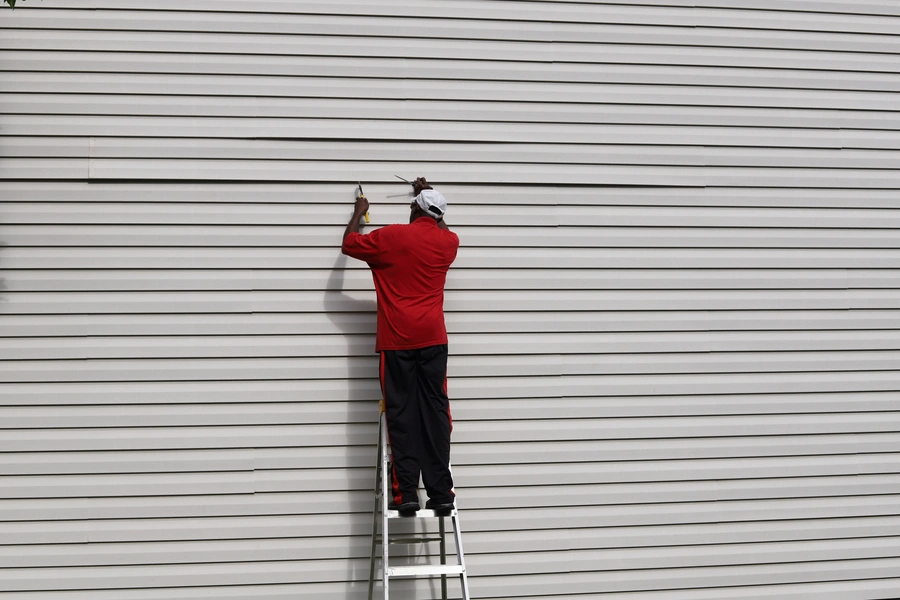
Before a vinyl siding installation project begins, there are a few basics to cover. First, the wall surface must be solid and dry. Damaged sheathing or framing should be fixed first. Second, a moisture barrier should be in place. This adds another layer of defense behind the siding panels.
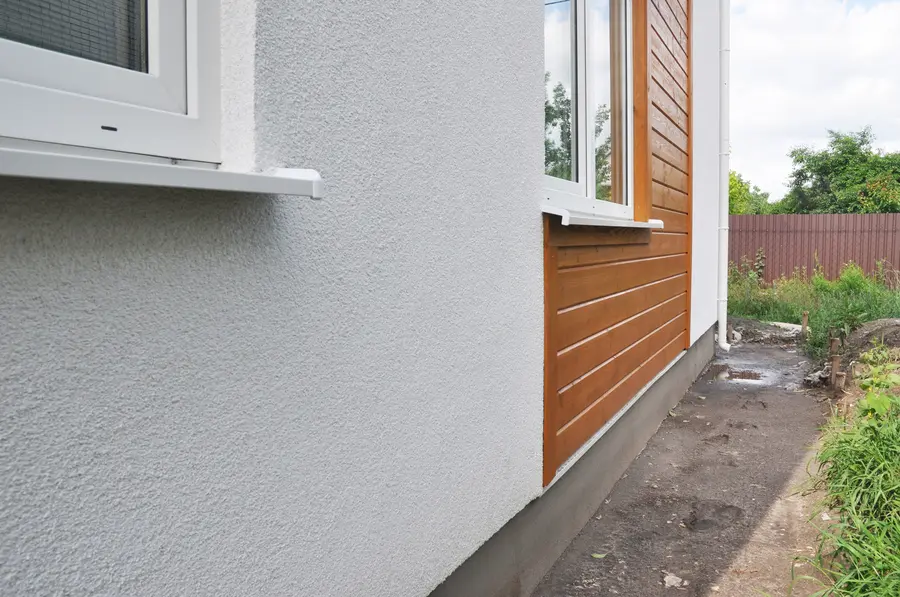
You also need proper tools and materials. These include:
- Moisture barrier wrap
- Starter strips and trim pieces
- Corrosion-resistant nails
- A level and measuring tape
- A circular saw or tin snips
Planning matters. Measuring each wall carefully helps reduce waste and gaps. Good prep work supports long-term performance.
Step-by-Step Process
A proper vinyl siding installation follows clear steps. Skipping steps can lead to loose panels or trapped moisture. Here is a simple breakdown of how the process works:
- Inspect and repair the wall surface.
- Install a weather-resistant moisture barrier.
- Add starter strips along the base of the wall.
- Install corner posts and trim pieces.
- Lock siding panels into the starter strip.
- Nail panels loosely to allow expansion and movement.
- Overlap seams to block water entry.
- Finish with top trim under the roof line.
Each panel is designed to expand and contract with temperature changes. That is why nails should not be driven in too tight. Allowing movement prevents cracking and warping over time.
Common Mistakes to Avoid
Durability depends on correct installation. Small mistakes can lead to big problems later. One common issue is nailing panels too tightly. This can cause buckling in hot weather. Another mistake is failing to overlap panels correctly. That can allow water behind the siding.
Improper flashing around windows and doors is another concern. Water tends to collect in these areas. Without proper sealing, moisture can seep in and damage framing. Skipping the moisture barrier behind the siding also increases the risk of mold and rot.
These errors reduce the life of the siding and the structure behind it. Careful work helps the siding perform as intended.
When to Call a Professional
Some homeowners feel confident handling small repairs. Replacing a single cracked panel can be simple with the right tools. But full vinyl siding installation on an entire home requires skill and experience.
Professionals know how to:
- Spot hidden water damage
- Install flashing around openings
- Allow proper spacing for expansion
- Secure panels without restricting movement
- Meet local building codes
Hiring trained installers also saves time. Larger homes or multi-story buildings can be risky without proper safety equipment. A professional team handles these challenges safely and efficiently.
Final Recommendation and Next Steps
Vinyl siding increases durability by creating a tough outer shell for your home. It resists moisture, wind, sun exposure, and pests. When installed correctly, it reduces maintenance and protects the structure for decades. If you are planning exterior upgrades, investing in professional vinyl siding installation is a smart step toward long-term protection.
Ready to Strengthen Your Home’s Exterior?
If you are in Avenel, NJ and want a siding system that lasts, we are here to help. At TS Roofing Contractor, we handle every vinyl siding installation project with care and attention to detail. Call (732) 201-6799 today to schedule a consultation and let us help protect your home for years to come.